
Not sure which product will actually protect your roof for the long haul?
From concrete slabs to slate tiles, this guide breaks down the exact waterproofing systems Rubber Roofs™ uses for each roof type — and why they outperform generic paint or patch jobs every time.
key takeaway
- There is no one-size-fits-all waterproofing solution — the right product depends on your roof type, climate exposure, and long-term goals.
- Flat concrete roofs are best protected with either KÖSTER™ TPO Membranes (Heat-welded, UV-resistant, 20-year warranty) or the Rubber Roofs™ BulletProof System (Solvent based Liquid polyurethane compound, 10-year warranty on product and workmanship)
- Slate roofs require a layered system using AlgenTech™, RubberTech™ Fiber Prep™, RostTech™, Bonding Primer, and LRP™ or ThermoTech™ with RostGuard™.
- Tile roofs benefit from cleaning, tile repairs, priming, and coating with LRP™ or ThermoTech™.
- Shingle roofs follow a multi-step system using AlgenTech™, Fiber Prep™, Clear Prep™, Bonding Primer, and LRP™ or ThermoTech™.
- Metal (IBR) roofs require rust treatment and sealing, combining RostTech™, ClearPrep™, Bonding Primer, and LRP™ with RostGuard™.
- Asbestos roofs are safely encapsulated with AsbestoSeal™, followed by a protective finish using Liquid Rubber Paint™ or ThermoTech™.
- Proper installation is just as important as the product — techniques vary for different roof types to ensure watertight, long-term results.
- Common mistakes to avoid include poor surface prep, incorrect product choice, and neglecting joint and seam sealing.
- Routine maintenance and timely repairs are key to preventing future leaks and protecting your investment.
- Rubber Roofs™ solutions are eco-conscious, locally engineered, and installed by certified professionals — backed by product and workmanship warranties.
Not All Roofs or Waterproofing Products for Roof Are the Same
If you’ve been searching “What product should I use to waterproof my roof?”, you’re not alone — it’s one of the most common questions property owners ask. The truth? There’s no one-size-fits-all answer. While general waterproofing products may offer broad protection, tailored solutions are often necessary to address the unique requirements of each roof. The “best” waterproofing solution depends entirely on the type of roof you have, the conditions it faces, and the long-term results you want.
That’s where Rubber Roofs™ comes in.
Instead of pushing a single coating or quick fix, Rubber Roofs™ offers fully engineered waterproofing systems — tailored to each roof surface and built to last. There is a wide range of products available to suit different applications and preferences. Backed by certified installers, product-specific warranties, and eco-friendly formulations, these solutions don’t just patch problems — they prevent them.
Before choosing a product, it’s important to identify the specific waterproofing needs of your roof to ensure the most effective and lasting solution. In this guide, we break down the exact products Rubber Roofs™ uses across each major roof type, explaining why they work, what makes them different, and how you can make the smartest investment in long-term protection.
Flat Concrete Roofs
Recommended Systems:
- KÖSTER™ Thermoplastic Polyolefin (TPO) Membranes
- Rubber Roofs™ BulletProof System
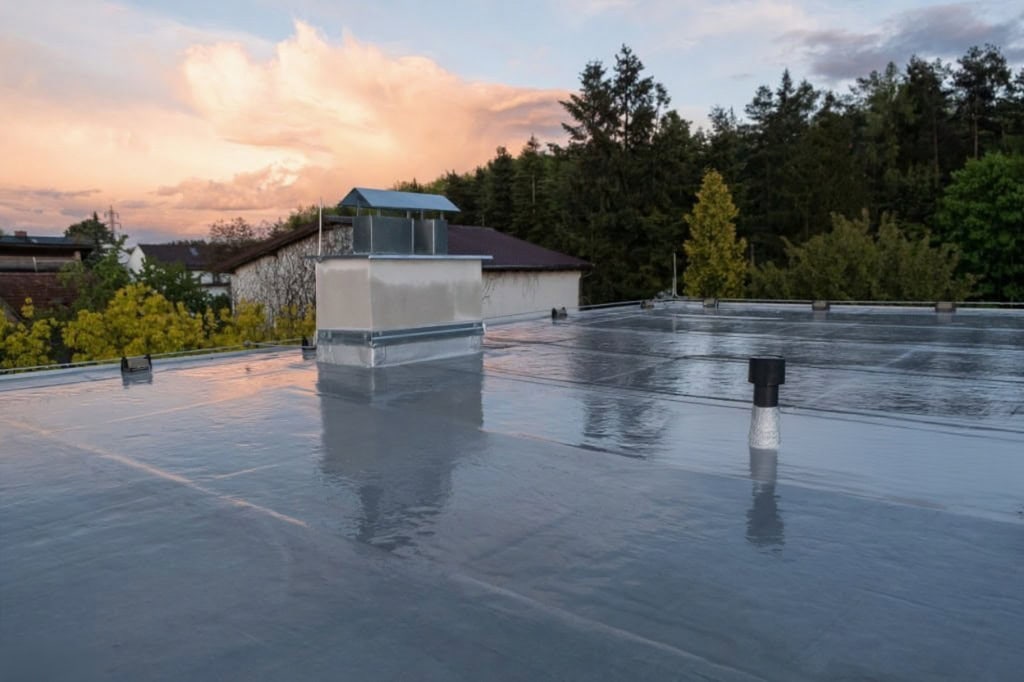
Flat concrete roofs may look solid — but they’re especially vulnerable to standing water, UV exposure, and thermal expansion. Some flat roofs cannot accept heavy materials, so lightweight waterproofing systems are preferable to avoid the need for additional structural reinforcement. Rubber Roofs™ offers two high-performance waterproofing systems built for durability in South African conditions.
KÖSTER™ TPO Membranes
- UV and weather resistant
- Indestructible
- Welded seams for long-term waterproofing
- Supplied in large rolls for efficient coverage and fewer seams
Rubber Roofs™ BulletProof System
- Epoxy Primer and specialized membrane
- Seamless, fully bonded solvent based liquid rubber
- Supplied in the form of a liquid that is applied directly to the roof for a continuous, protective layer
- Self-Leveling
- UVR Protective Coating
- Water Vapor Permeable & Highly Durable and Flexible
- UV and weather resistant
- Impermeable barrier
Both systems are ideally suited and designed for waterproofing flat cementitious roofs, additionally creating an effective barrier over bitumen/torch on.
✅ KÖSTER™ TPO Membrane
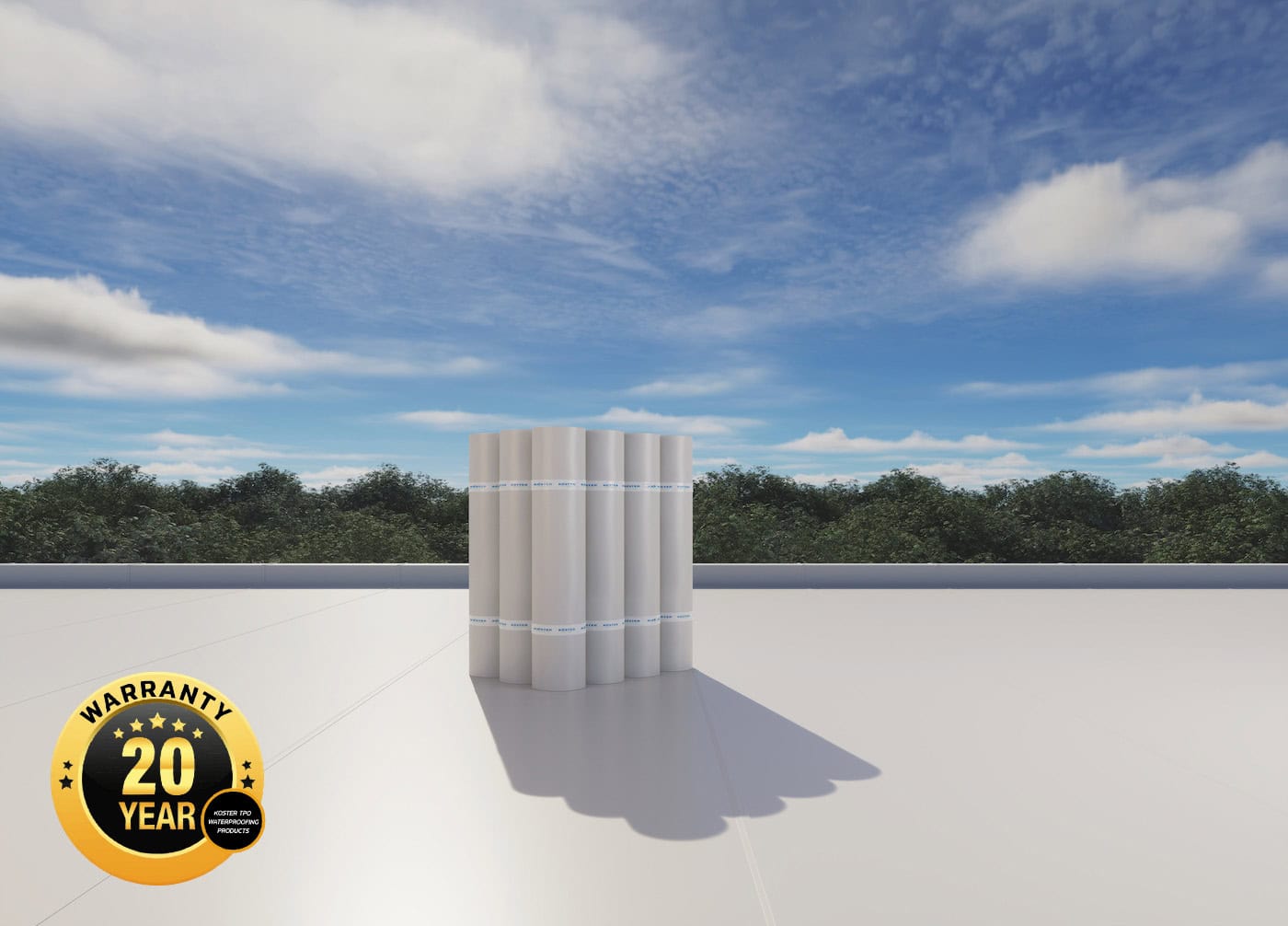
This hot-air-welded waterproofing membrane is made of thermoplastic polyolefins (TPO) based on polyethylene, reinforced with a central glass fleece and a polyester fleece backing.
- UV-resistant and weatherproof
- Highly durable with hot-air welded seams
- Installed for direct exposure or under ballast
- Reliable & very long-life span
- Eco Friendly & Indestructible
Rubber Roofs™ installs this with a 20-year maintenance-free warranty on product and workmanship and free 5-yearly inspections.
✅ BulletProof System
This robust, site-specific system is applied by certified Rubber Roofs™ teams and backed by a – 10-Year warranty on product and workmanship. It’s ideal for exposed concrete roofs that need strong waterproofing performance.
Slate Roofs
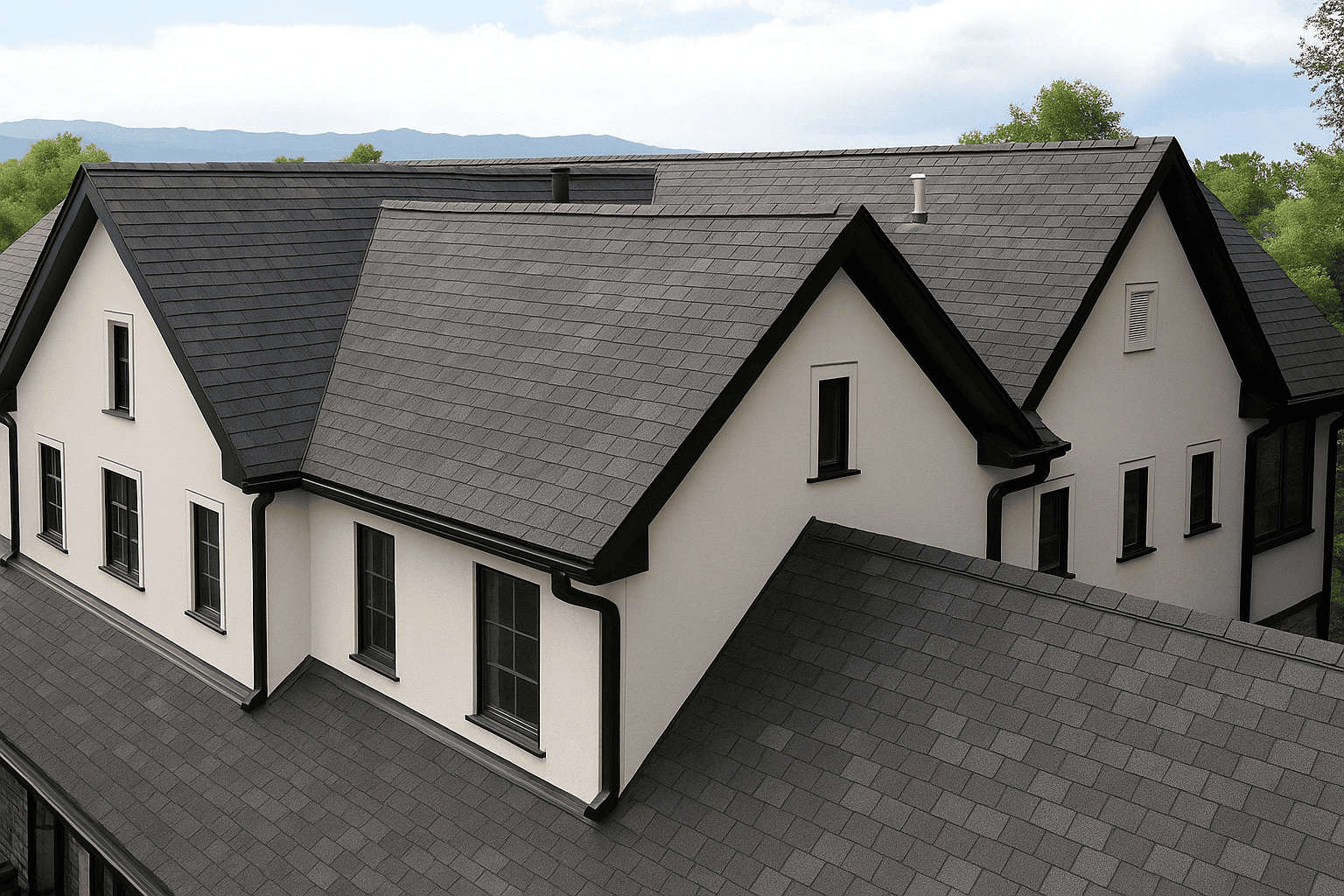
System Components:
- AlgenTech™
- RubberTech™ Fiber Prep™
- RostTech™
- RubberTech™ Bonding Primer
- LRP™ or ThermoTech™
- RostGuard™
Water repellents designed for masonry can also be used to protect adjacent masonry structures, providing additional defense against water infiltration.
Rubber Roofs™ applies a 4-step system to clean, seal, and protect slate roofs:
- Sanitise: AlgenTech™ removes biological growth and pollutants
- Repair: Fiber Prep™ seals cracks and joints
- Rust Management: RostTech™ converts stains and rust before priming
- Coat: LRP™ or ThermoTech™ with RostGuard™ completes a flexible, colour-matched finish
Tile Roofs
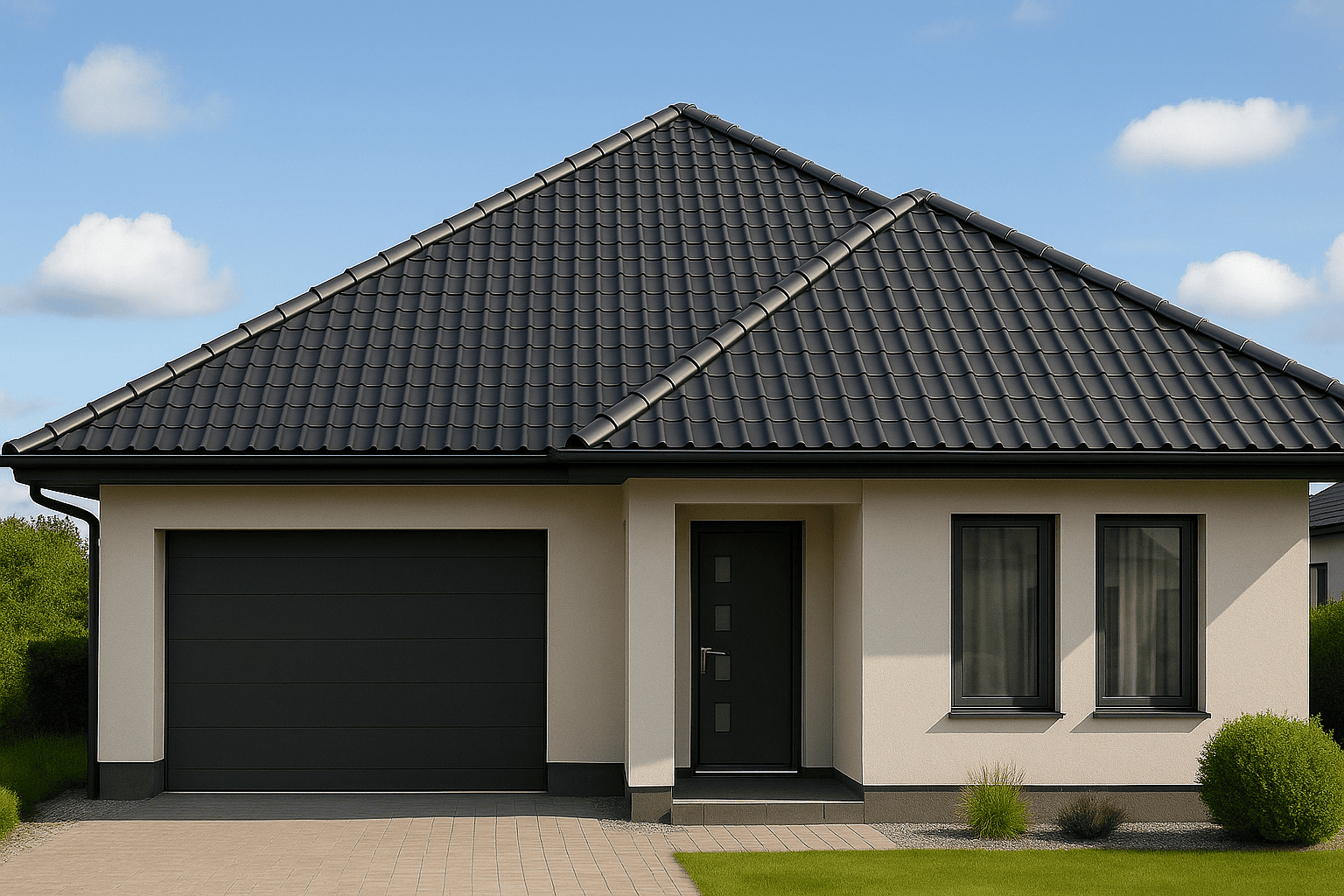
System Components:
- AlgenTech™
- RubberTech™ Fiber Prep™
- RubberTech™ Bonding Primer
- LRP™ or ThermoTech™
For tiled roofs, Rubber Roofs™ uses:
- Deep cleaning with AlgenTech™
- Tile repairs and sealing with Fiber Prep™
- Bonding Primer to ensure strong adhesion
- Final coats of LRP™ or ThermoTech™ for waterproofing and finish
Shingle Roofs
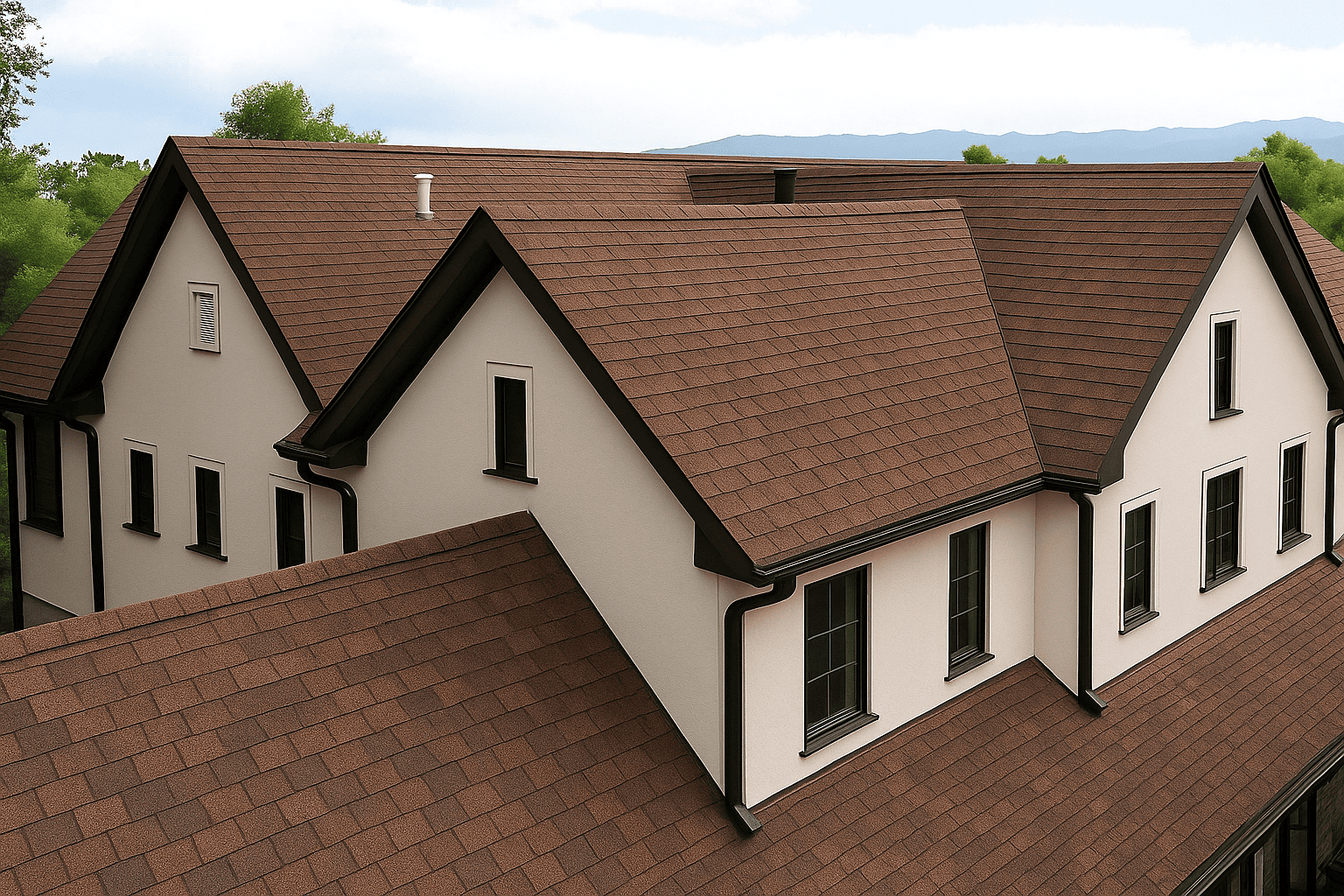
System Components:
- AlgenTech™
- RubberTech™ Fiber Prep™
- Clear Prep™
- RubberTech™ Bonding Primer
- LRP™ or ThermoTech™
Shingle roof protection includes:
- Sanitising with AlgenTech™
- Crack sealing with Fiber Prep™ & Clear Prep™
- Priming with Bonding Primer
- Waterproofing with LRP™ or ThermoTech™
Following this multi-step process ensures the best results for shingle roof waterproofing.
Metal (IBR) Roofs
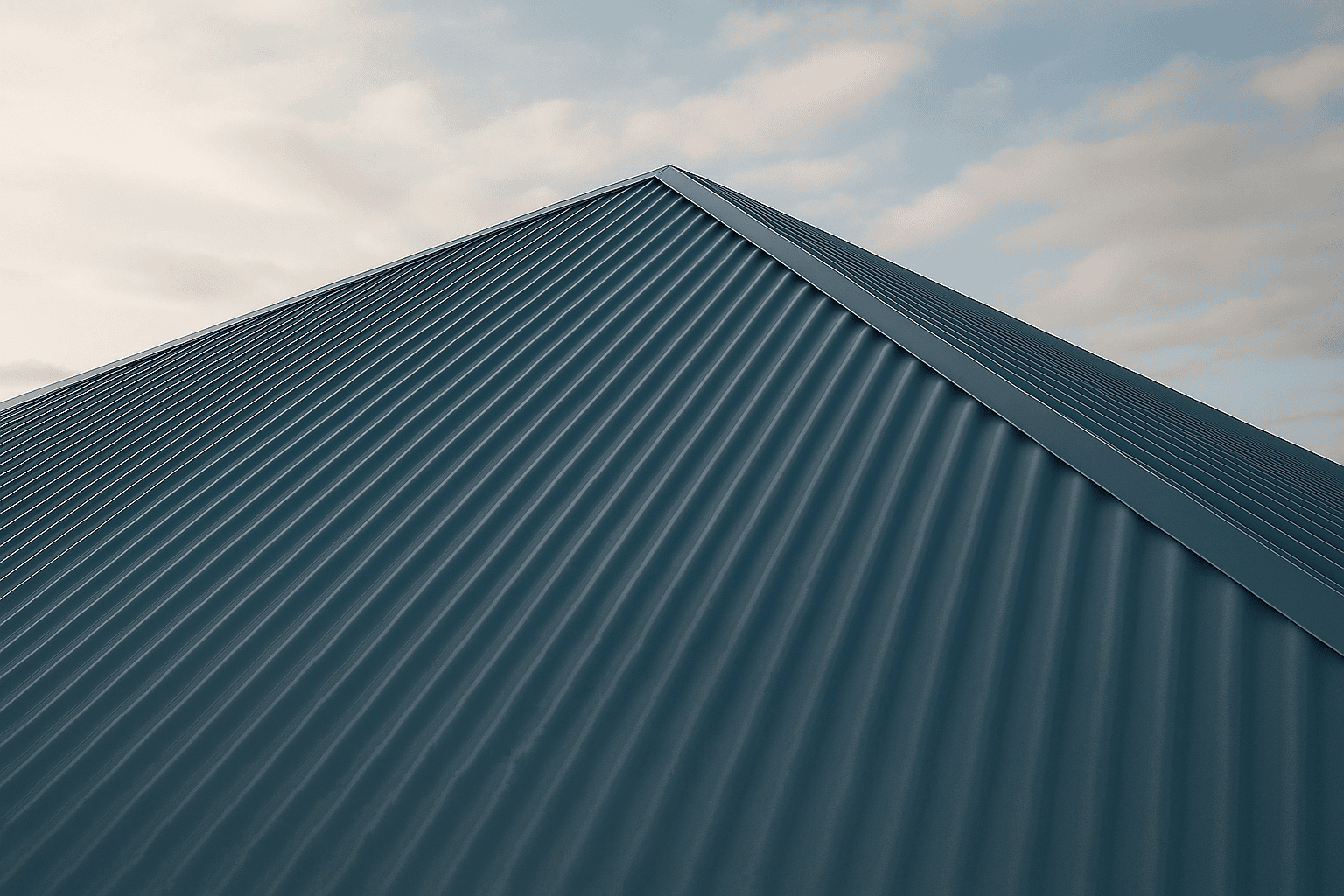
System Components:
- AlgenTech™
- RostTech™
- ClearPrep™
- RubberTech™ Bonding Primer
- LRP™ with RostGuard™
Our system is tailored to meet the specific needs of clients with metal roofs, ensuring optimal performance and durability.
Metal roofs are treated with:
- AlgenTech™ cleaning, sterilization
- RostTech™ rust conversion
- ClearPrep™ sealing of joints and fasteners
- Bonding Primer followed by LRP™ + RostGuard™ for rust resistance and waterproofing
Asbestos Roofs
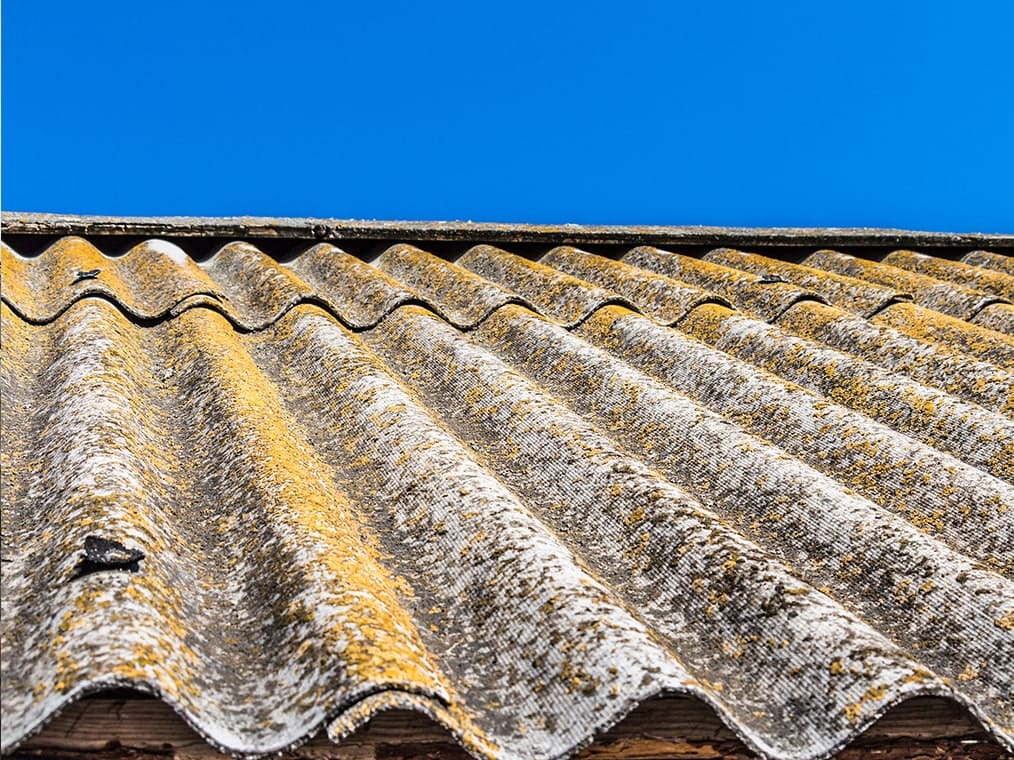
System Components:
- RubberTech™ Fiber Prep™
- Nutec surface restoration (non-asbestos) (if necessary)
- AsbestoSeal™ (Certified Encapsulation)
- RubberTech™ Liquid Rubber Paint™ or ThermoTech™
Asbestos roof systems include:
- Site safety setup – Special safety measures are required when working with asbestos roofs to ensure compliance and protection.
- Repairs with Fiber Prep™ & Nutec sheets/tiles
- Encapsulation with AsbestoSeal™ (certified)
- Coating with LRP™ or ThermoTech™ for weatherproofing
Installation Methods: Getting It Right from the Start
When it comes to roof waterproofing, the installation method is just as important as the product you choose. The success of any waterproofing system—whether for flat roofs or pitched roofs—depends on how well it’s applied. Each roof type and substrate, requires a tailored approach to ensure a reliable seal against the elements.
Torch-on membranes have long been a popular choice for waterproofing flat roofs, offering a traditional solution. However, modern alternatives like Köster TPO utilize advanced hot-air welding techniques. This system employs thermoplastic polyolefin (TPO) membranes, providing a durable and efficient waterproofing system, with a longer lifespan than traditional torch on membranes, evident with the 20-year warranty. TPO offers low to no maintenance, where traditional torch on membranes requires maintenance every 3-5 years on average. In addition to our Köster TPO membranes, we offer an extensive array of system accessories. These comprise, among other items, precision-molded components for external and internal corners, composite sheets, and specialized accessories designed for drainage and ventilation applications.
Pitched roofs, for instance, those with tile coverings—require careful surface preparation to ensure effective waterproofing. Systems like Rubber Roofs offer tailored application methods designed to suit the specific substrate, followed by the use of liquid rubberTM to create a seamless protective layer. On the other hand, flat concrete roofs often call for a different strategy, where membrane-based solutions such as Köster TPO or the BulletProof SystemTM provide durable and long-lasting protection against water ingress.
No matter the method, special attention must be paid to critical areas like joints, seams, and roof penetrations—these are often the first places leaks can develop if not properly sealed.
A successful roof waterproofing project starts with careful preparation and the right application technique. Whether we’re applying one of our membrane systems or our liquid rubber paint systems, ensuring every detail is addressed will provide long-lasting protection and peace of mind. By getting the installation right from the start, our systems block out water, prevent leaks, and extend the life of your roof—no matter what the South African climate throws our way.
Common Mistakes to Avoid in Roof Waterproofing
Even the best waterproofing products can fail if common mistakes are made during installation. One of the most frequent issues is inadequate surface preparation—if the roof substrate isn’t clean, dry, and free of debris, the membrane or coating may not bond properly, leading to leaks and premature failure. Another pitfall is neglecting to fully seal joints, seams, and penetrations, which can create gaps where water can easily enter.
Choosing the wrong type of waterproofing product for your specific roof or project is another costly error. Not all membranes, sealants, or adhesives are suitable for every surface or roof design, and using incompatible products can compromise the entire system. It’s also important to ensure that all products used—whether for commercial or residential projects—work together seamlessly to provide a continuous, watertight seal.
To avoid these problems, we make sure we follow strictly professional preparation guidelines, use the correct product for your roof type, and pay close attention to detail during application. By steering clear of these common mistakes, we ensure your roof waterproofing project delivers effective, long-lasting protection against water and weather.
Maintenance and Repair: Protecting Your Investment
Installing a high-quality roof waterproofing system is just the beginning—ongoing maintenance and timely repairs are crucial to preserving its performance over time. At Rubber Roofs, we conduct a comprehensive maintenance inspection five years after installation to assess the condition of your roof and ensure continued protection. Upon completion of the project, clients will be issued a warranty certificate, valid for either 10 or 20 years, depending on the system installed, covering both the product and workmanship. This provides our clients with peace of mind, knowing that the protection of their property’s roof is our highest priority.
Effective maintenance includes cleaning debris from the roof surface, checking for standing water, and ensuring that all joints and seams remain properly sealed. When repairs are needed, it’s important to use compatible methods and proven techniques to restore the integrity of the waterproofing system. This proactive approach not only extends the life of your roof but also protects your investment by minimizing the risk of major problems down the line.
Whether you’re managing a flat cementitious roof or pitched roof, regular maintenance and timely repairs are the key to preventing leaks and ensuring your waterproofing system continues to perform at its best.
Environmental Considerations in Roof Waterproofing
Today’s property owners are increasingly aware of the environmental impact of their building choices—including roof waterproofing. Many modern waterproofing products are designed with sustainability in mind, using eco-friendly products that reduce the carbon footprint of your project.Asbestos roofs, in particular, Encapsulation involves applying a specialized bonding layer, like AsbestoSealTM that binds asbestos fibers, preventing them from becoming airborne. Certified encapsulation methods enable property owners to comply with government health regulations while avoiding the disruption and environmental risks associated with full asbestos removal.
Choosing environmentally responsible waterproofing systems not only helps protect your roof but also supports broader sustainability goals. Seek products that are non-flammable, have low levels of volatile organic compounds (VOCs), and are free from toxic substances. By considering the environmental implications of your waterproofing choices, you can provide long-term protection for your building while minimizing your impact on the planet.
Whether you’re working on a new build or upgrading an existing roof, opting for sustainable waterproofing solutions is a smart investment for both your property and the environment.
Why Rubber Roofs™ Systems Are a Smarter Waterproofing Choice
Rubber Roofs™ doesn’t just waterproof — it engineers long-lasting, professional-grade solutions:
- Locally developed, eco-safe products
- Certified installers & technical processes
- Roof-type specific waterproofing
- Everything done In-House
- Long-term product + workmanship warranties
Many clients highly recommend Rubber Roofs™ for their reliable and effective solutions. Rubber Roofs™ is able to solve even the most challenging waterproofing problems with expertise and proven, self-manufactured products. There is absolutely no better choice for long-term roof protection.
Choosing Rubber Roofs™ means choosing lasting protection from a company that does the job right the first time.
Choose the Right System and the Right Team
When it comes to roof waterproofing, choosing the right system and the right team is crucial to ensuring a successful and long-lasting result. With so many different systems available on the market, it can be difficult to know which one to choose. By considering factors such as the type of roof, the climate, and the specific needs of the project, you can select a waterproofing system that meets your requirements. Additionally, it’s essential to work with a team of experienced professionals who have the knowledge and expertise to install the system correctly. By choosing the right system and the right team, you can ensure a reliable and effective waterproofing solution that protects your building from water infiltration and provides peace of mind. Whether you’re working on a commercial or residential project, the right roof waterproofing system can make all the difference in preventing leaks and ensuring the integrity of your building.
Ready to waterproof your roof the right way? Contact Rubber Roofs™ here.
Making the Best Choice for Your Roof
Whether your roof is concrete, slate, tile, shingle, metal, or asbestos — not all waterproofing products are created equal, and not all contractors apply them correctly.
Rubber Roofs™ offers certified, roof-type-specific systems that go far beyond surface-level coatings. From rust converters to bonding primers and flexible topcoats, every layer is designed to protect, perform, and last.
Ready to waterproof your roof the right way? Contact Rubber Roofs™ here.