If your industrial or commercial building still has an asbestos roof, you’ve probably asked: “Should we remove it or seal it?” Full asbestos removal is costly, high-risk, and often unnecessary. Sealing your asbestos roof through professional encapsulation is a compliant, cost-effective alternative that protects your roof, your people, and your long-term investment without disturbing harmful fibres.
A Safer, Smarter Alternative to Removal
Asbestos roofs are common across older industrial buildings, warehouses, factories, and even residential developments. While durable, these roofs pose serious risks when damaged or weathered by exposing hazardous asbestos fibres into the air. But removal isn’t your only option.
Rubber Roofs™ offers an expert asbestos encapsulation system using AsbestoSeal™ and Liquid Rubber Paint™, designed to safely seal and protect asbestos roofing without the disruption of full removal. In this blog, we’ll walk you through how the system works, what it includes, and why sealing is often the smarter choice for long-term performance, compliance, and cost savings.
Why Asbestos Roofs Still Require Urgent Attention
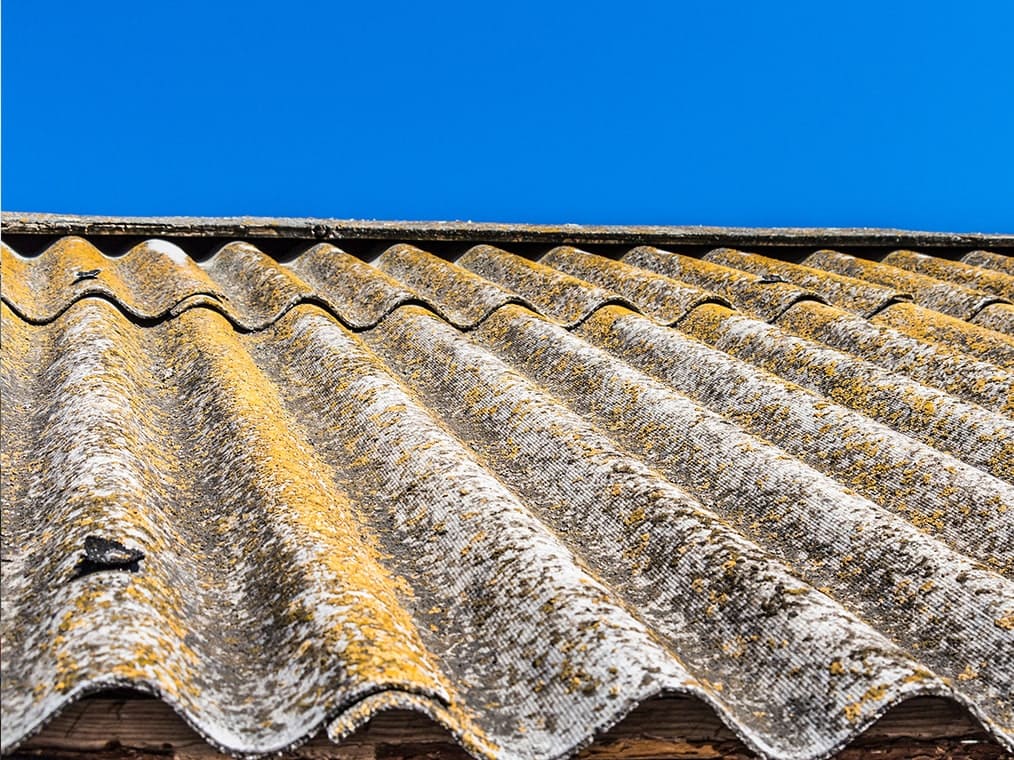
Asbestos was once a trusted material for roofing especially in industrial buildings, due to its fire resistance, strength, and affordability. But today, we understand the hazards linked to aging asbestos roofs. Over time, these roofs degrade. Weathering, temperature changes, and general wear can cause the material to become porous, brittle, and unstable.
When that happens, asbestos fibres can become exposed and airborne, posing serious health risks to anyone nearby. Breathing in harmful fibres is associated with long-term illnesses, and it doesn’t take visible damage for those fibres to be released. Even small cracks or debris build-up on a roof in poor condition can lead to contamination of surrounding areas.
That’s why even an asbestos roof that looks like it’s in good condition should be monitored and sealed, before it starts to break down. Whether you’re maintaining industrial buildings, warehouses, or legacy residential structures, the goal is to contain the material safely, comply with regulations, and extend the life of the roof, without the costly and disruptive process of full asbestos removal.
What Is Asbestos Roof Encapsulation And How Does It Work?
When an asbestos roof begins to degrade, it poses serious health and safety concerns. As the surface wears down, it can release hazardous asbestos fibres into the air, increasing the risk of exposure for anyone in or around the building. But removal is costly, disruptive, and not always necessary.
That’s where asbestos roof encapsulation comes in.
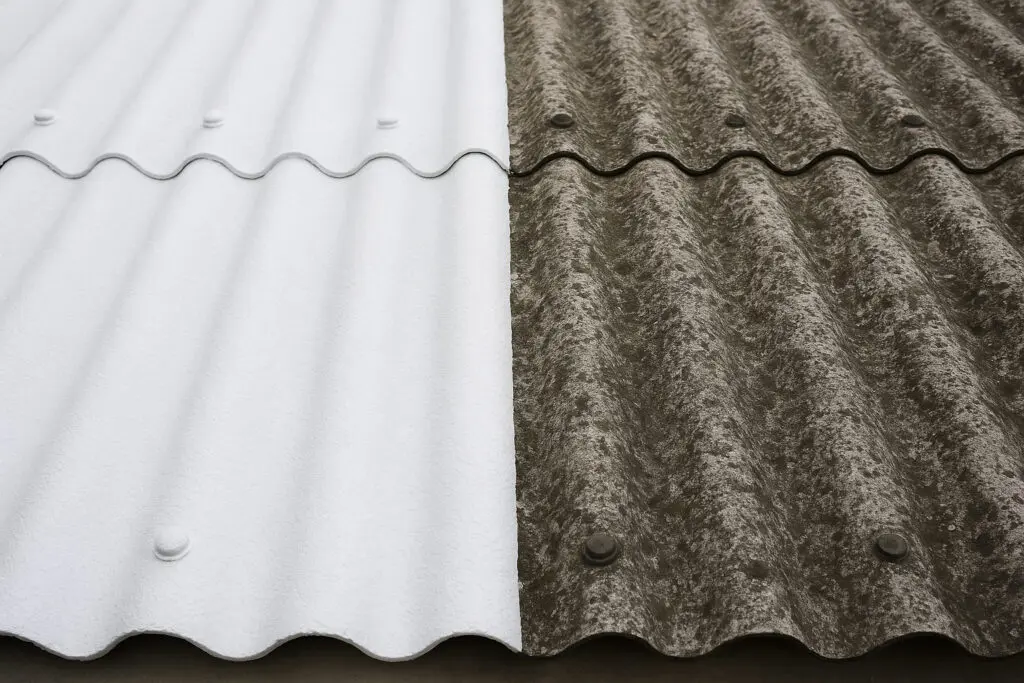
Encapsulation is a certified method of sealing asbestos roofs by covering and binding the existing roof material with a specialised coating system. This process traps the harmful fibres, reinforces the roof surface, and creates a long-lasting protective barrier all without disturbing the existing structure.
Instead of removing the asbestos sheeting, which can be dangerous and expensive, Rubber Roofs™ applies a multi-layer system designed to:
- Stabilise damaged or porous surfaces
- Bind loose asbestos material in place
- Prevent exposure to airborne fibres
- Waterproof the surface with a UV-stable, durable top coat
The result is a sealed, safe roof that complies with government regulations and extends the life of your building without unnecessary cost.
Rubber Roofs™’ AsbestoSeal™ encapsulation system is backed by independent testing, environmentally safe, and installed by certified teams with extensive experience in handling asbestos in industrial buildings. It’s the preferred way to manage risk, protect your property, and avoid the disruption of full asbestos removal.

The Rubber Roofs™ Process: Safe, Certified, and Built to Last
At Rubber Roofs™, sealing an asbestos roof is never a guessing game. Our expert encapsulation system is designed for precision, safety, and long-term protection and it’s delivered by trained, certified professionals.
We follow a proven 4-step process that ensures every asbestos encapsulation project meets strict safety standards and delivers reliable, long-lasting results:

1. Site Preparation
Before any work begins, we prepare the site carefully to prevent the disturbance of asbestos fibres. This includes:
- Isolating the area
- Wearing protective gear
- Avoiding high-pressure cleaning (which can release fibres)
- Clearing debris with controlled, approved methods
This careful preparation step is crucial to manage exposure risks and keep the environment safe.
2. Repair & Seal
Once the site is secured, we inspect and repair areas in poor condition, such as:
- Damaged roof sheets
- Loose screws or fixings
- Corroded flashings
We then apply a bonding layer over the surface. This specialised product penetrates the material, binds any loose asbestos fibres, and seals the surface in preparation for full encapsulation.

3. Encapsulation
This is the heart of the system.
Using AsbestoSeal™, a certified asbestos encapsulation solution, we apply a high-performance layer designed to:
- Lock in and bind degraded material
- Inhibit microbial growth like moss, algae, or lichen
- Prime the surface for waterproofing
- Extend the life of the roof
This layer soaks into the surface to ensure full coverage of porous areas, creating a uniform, stabilised base.
4. Waterproofing
After the surface is sealed and stabilised, we apply a durable, UV-stable waterproofing coating, typically Liquid Rubber Paint™. This flexible topcoat:
- Protects against weathering
- Resists UV degradation
- Provides a seamless, waterproof barrier
- Adds value and longevity to your property
The final result? A fully encapsulated, sealed, and waterproofed asbestos roof without disruption, high cost, or exposure risk.
Why Encapsulation Is Better Than Removal
When dealing with asbestos roofs, many property owners assume that removal is the only solution. But in most cases, asbestos encapsulation is the smarter, safer, and far more cost-effective approach, especially for industrial buildings, warehouses, and older commercial facilities.
Here’s why:
Minimises Risk, Maximises Safety
Encapsulation doesn’t disturb the existing asbestos material. Instead, it securely binds and seals any exposed fibres, preventing them from becoming airborne. This dramatically lowers the risk of inhalation, one of the most dangerous forms of asbestos exposure.
By contrast, asbestos removal is an invasive process that can release harmful fibres if not done perfectly.
Cost-Effective & Less Disruptive
Full removal of an asbestos roof requires:
- Specialised hazmat teams
- Disposal permits
- High-risk containment
- Building downtime
Encapsulation avoids all of that. The cost is significantly lower, the project time is shorter, and your operations can usually continue with minimal disruption.
Preserves Structure & Appearance
Older roofs may still be in good condition, aside from some surface weathering or microbial growth. Removing them means destroying original building materials that could otherwise be restored and protected.
Encapsulation strengthens what’s already there by locking in the porous substrate, covering any debris, and forming a seamless protective coating.
Compliant & Certified
Rubber Roofs™ provides full documentation and a 10-year Workmanship & Waterproofing Guarantee with every AsbestoSeal™ system. That means:
- Full compliance with local health and safety regulations
- Certified proof for insurance, inspection, and resale
- Long-term peace of mind
In Summary:
If your asbestos roof is still structurally sound, removal is rarely necessary. Sealing it with a certified encapsulation system like AsbestoSeal™ provides:
- A safe, environmentally responsible solution
- Long-term durability and UV-stable protection
- A better return on investment

Maintenance and Long-Term Performance
Once your asbestos roof is professionally encapsulated with the Rubber Roofs™ AsbestoSeal™ system, the job doesn’t end there. Like any roofing system, ongoing maintenance is critical to ensure it continues to perform as expected, both structurally and from a safety perspective.
Regular Inspections Matter
Over time, even a well-encapsulated roof can be affected by:
- Weathering (UV, rain, wind)
- Physical damage from falling branches or tools
- Blocked gutters or pooling water
- Natural wear on surface coatings
That’s why Rubber Roofs™ recommends annual inspections to:
- Check the condition of the coating layers
- Identify any areas of peeling, cracking, or impact
- Assess gutters and downpipes for buildup or damage
Early detection of wear helps prevent bigger problems and keeps the encapsulation intact.
Keep It Clean, Keep It Strong
A roof in poor condition often starts with neglected maintenance. Microbial growth, built-up grime, and blocked drainage can compromise the surface.
Rubber Roofs™ offers specialised cleaning services to:
- Remove environmental debris, moss, or lichen
- Restore the visual appearance of the roof
- Protect the UV-stable, waterproof coating
- Rejuvenate older encapsulated systems with minimal disruption
Backed by Warranty & Support
Every AsbestoSeal™ project includes:
- A 10-year Workmanship & Waterproofing Guarantee
- Certification for safety and compliance
- Ongoing support from our expert team
This gives you the peace of mind that your asbestos encapsulation system is fully protected and if anything needs attention, you have a trusted partner to call.

10 year encapsulation warranty & certificate.
10 year waterproofing warranty on product & workmanship
Seal Smart, Stay Safe
Sealing your asbestos roof with Rubber Roofs™ isn’t just a stopgap, it’s a long-term, environmentally sound solution that reduces risk, extends your roof’s life, and ensures your building meets required safety standards.
Whether you’re managing industrial buildings, warehouses, or commercial properties, encapsulation with AsbestoSeal™ offers a safer, smarter, and more sustainable way forward than asbestos removal.